Bosque del Apache National Wildlife Refuge - April to June 2026
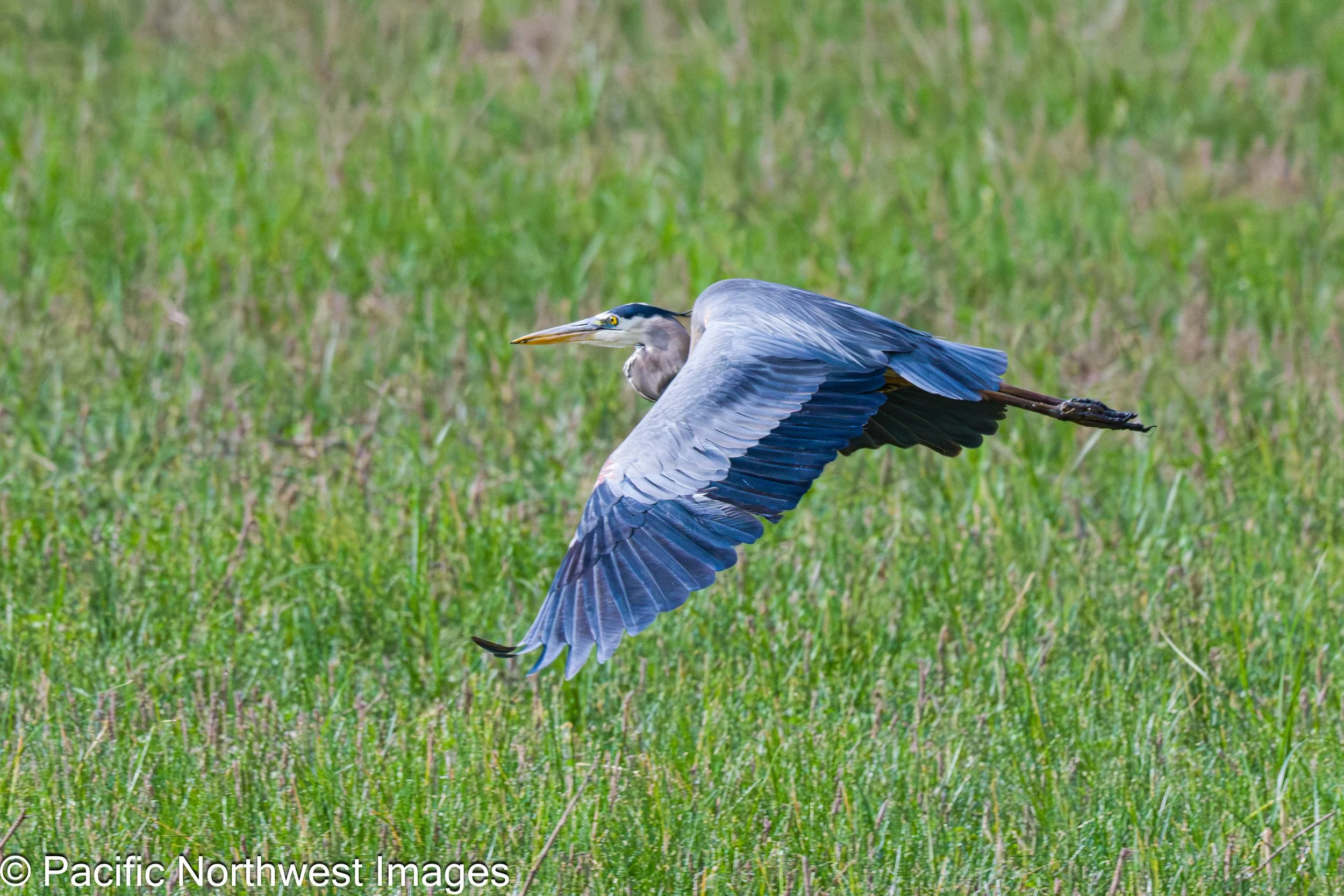
My current assignment is at the Bosque del Apache Wildlife Refuge in central New Mexico, a haven for both birds and birders since its establishment in 1939. For centuries, the Rio Grande provided a dynamic and welcoming habitat for migrating birds, with its natural ebb and flow flooding in the fall and winter, scouring the land, and depositing seeds in moist soil that would grow into food for the next migration. The advent of agriculture and dam construction disrupted this natural system, and development along the river further reduced bird habitats. In the 1930s, President Franklin Roosevelt’s New Deal aimed to improve infrastructure, create jobs, and address high unemployment, leading to the creation of the National Wildlife Refuge to restore critical habitats. Today, thanks to that vision and effort, the refuge mirrors the original ecosystem and serves as a sanctuary for thousands of birds, including about 30,000 Sandhill Cranes in winter, along with countless migratory shorebirds and songbirds. Some travel only as far as Colorado, while others journey over 3,300 miles to the Aleutian Islands in Alaska. The Bosque is a fantastic spot for bird and people watching, attracting dedicated birders from around the world who come to add to their “life lists”—and it never disappoints.
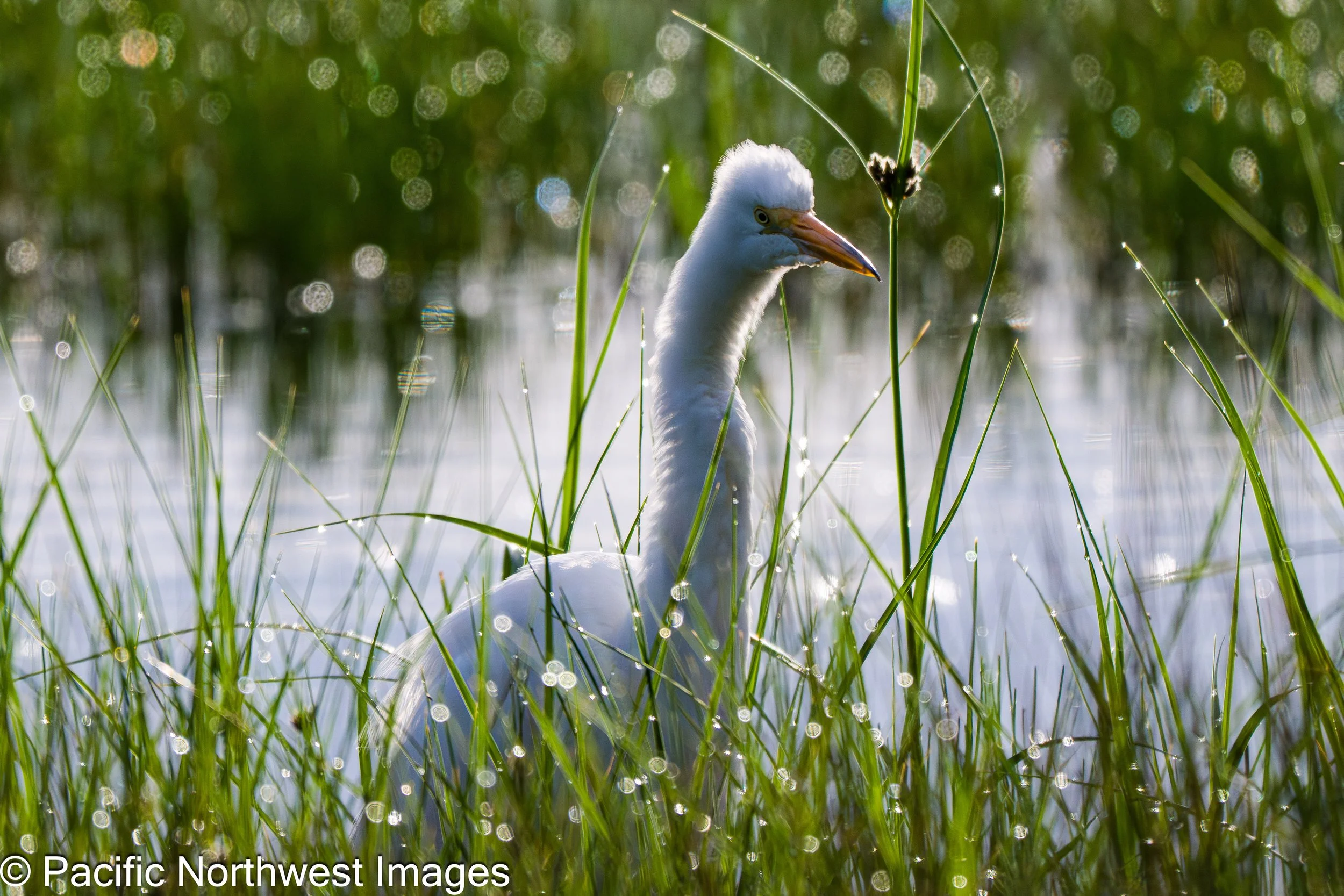
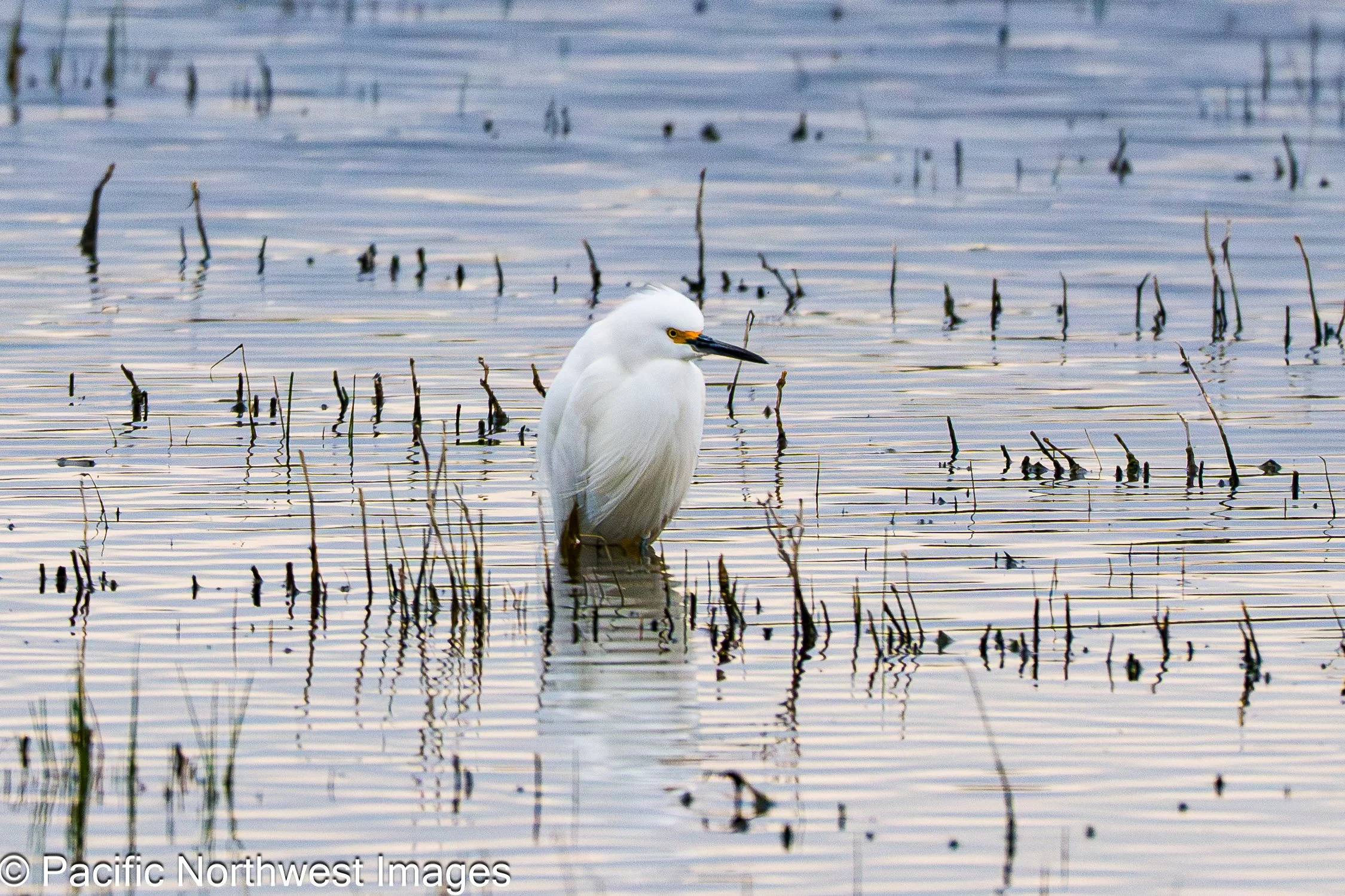
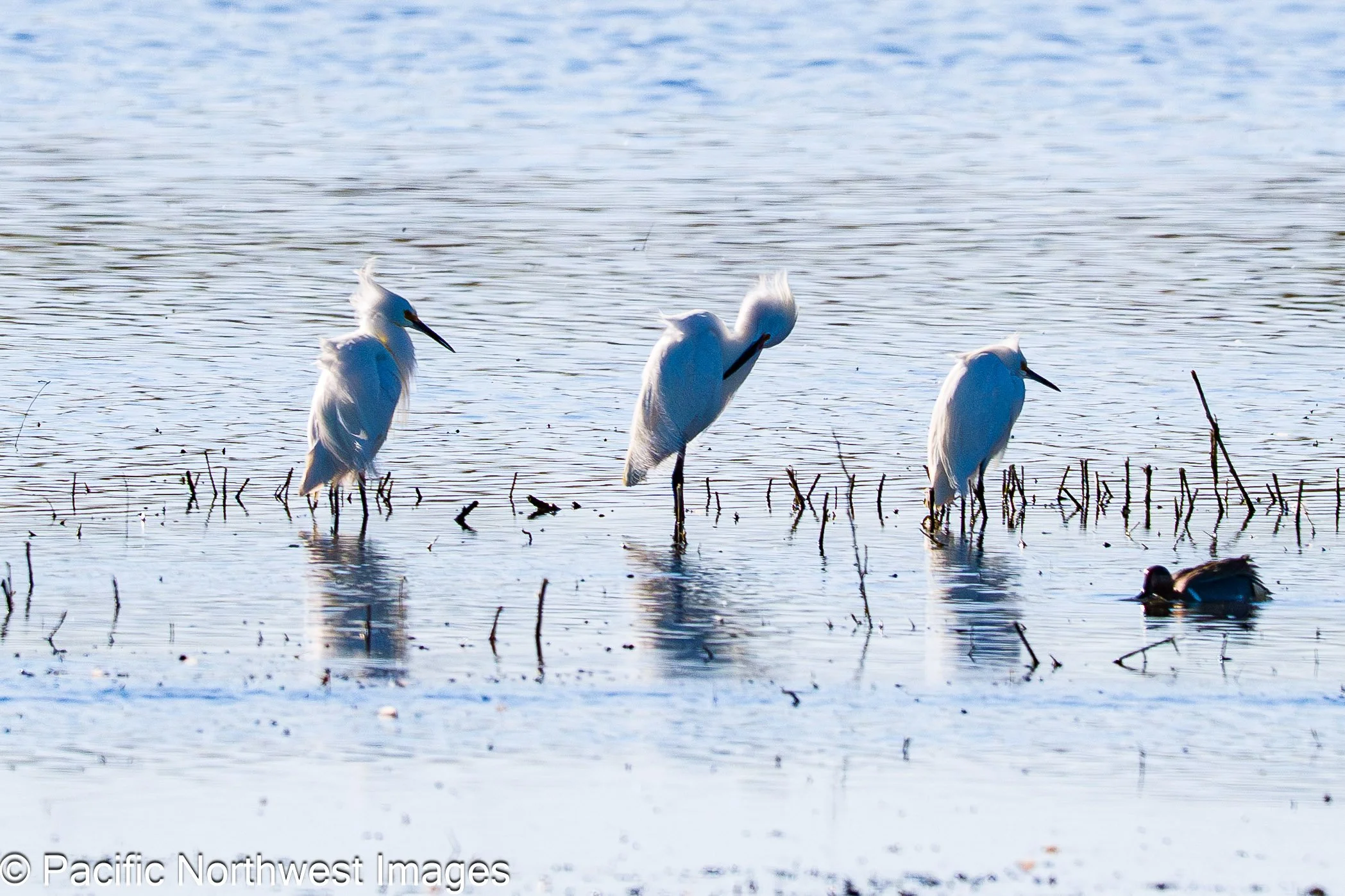
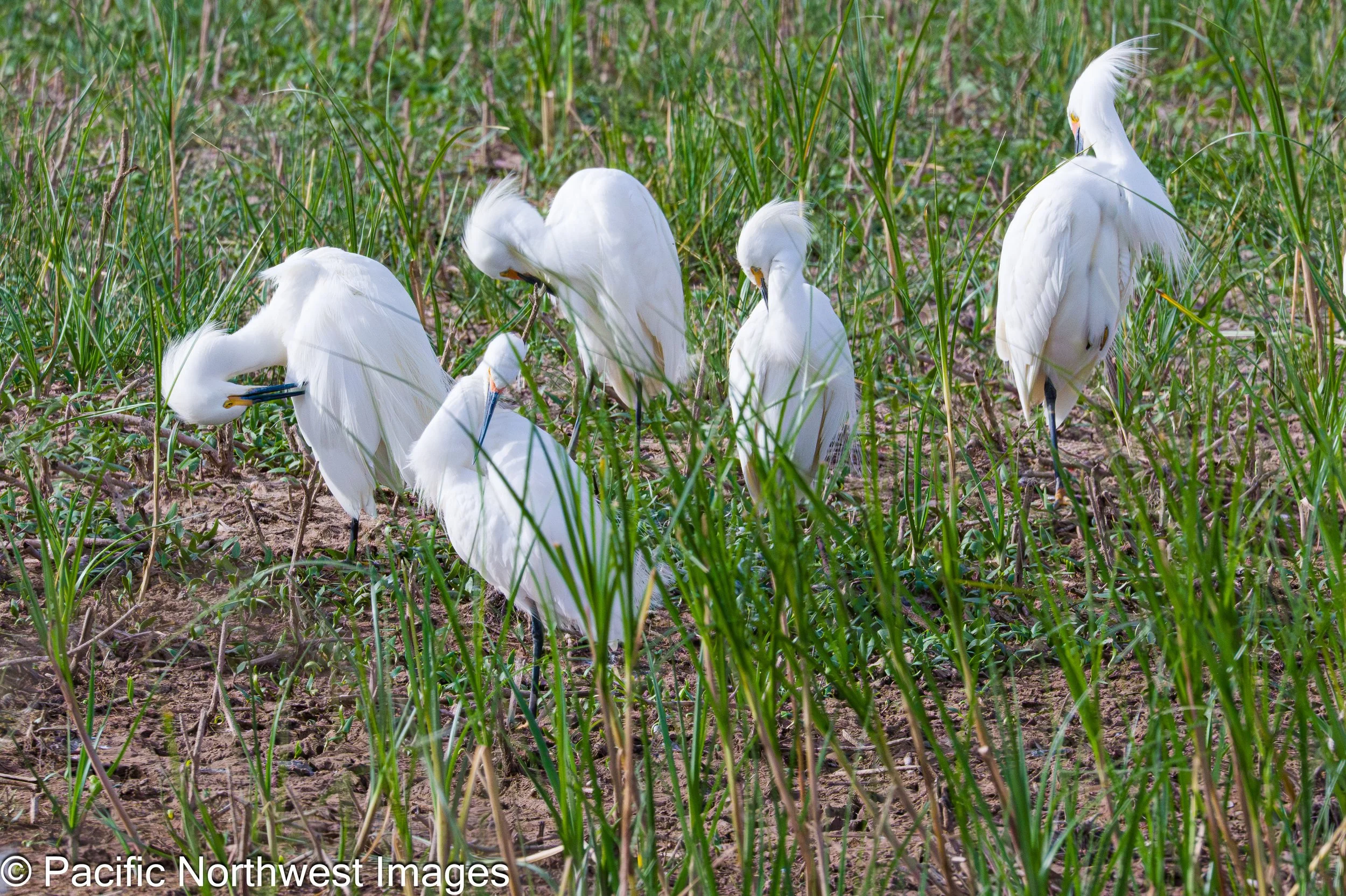
Morning Grooming for Snowy Egrets
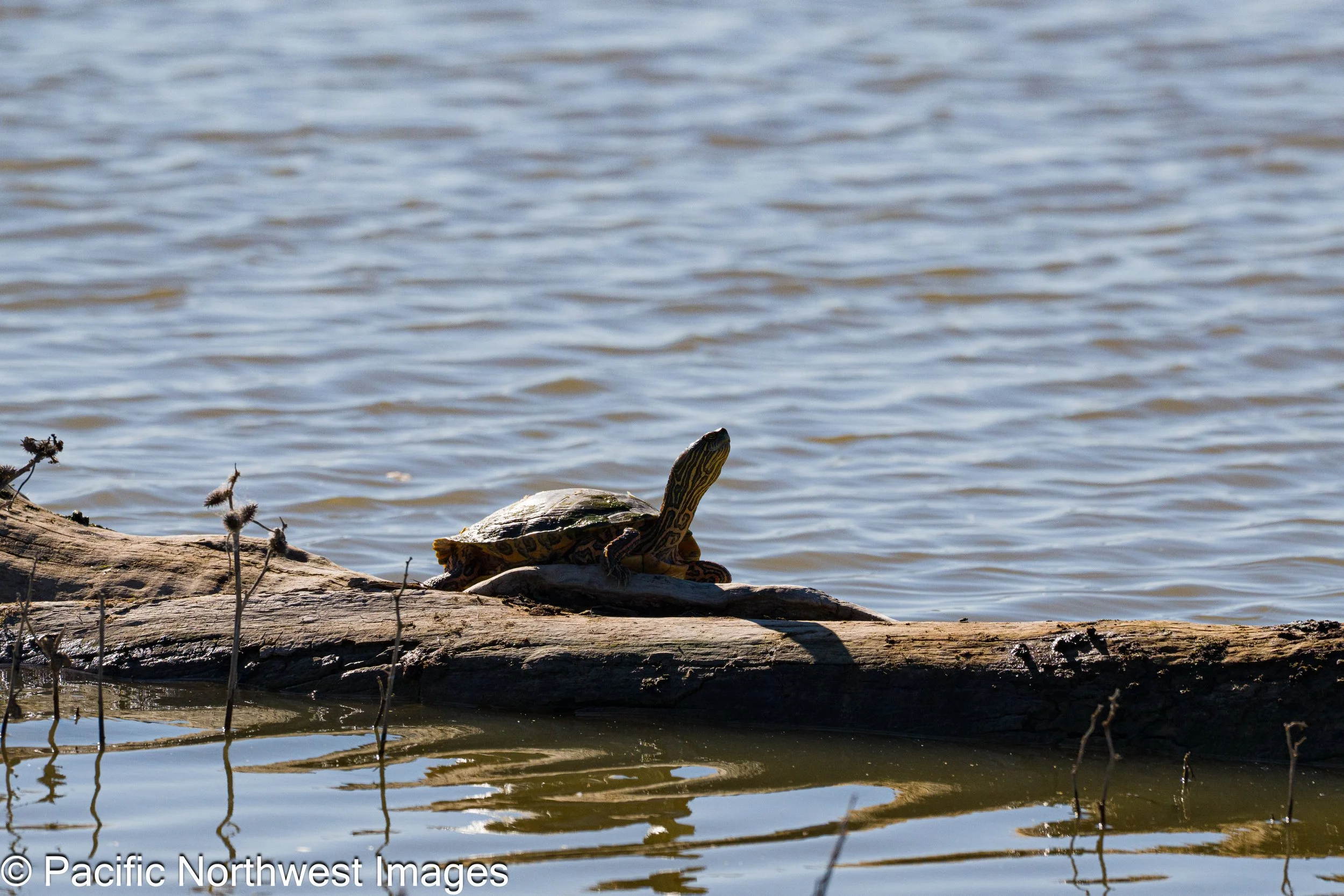
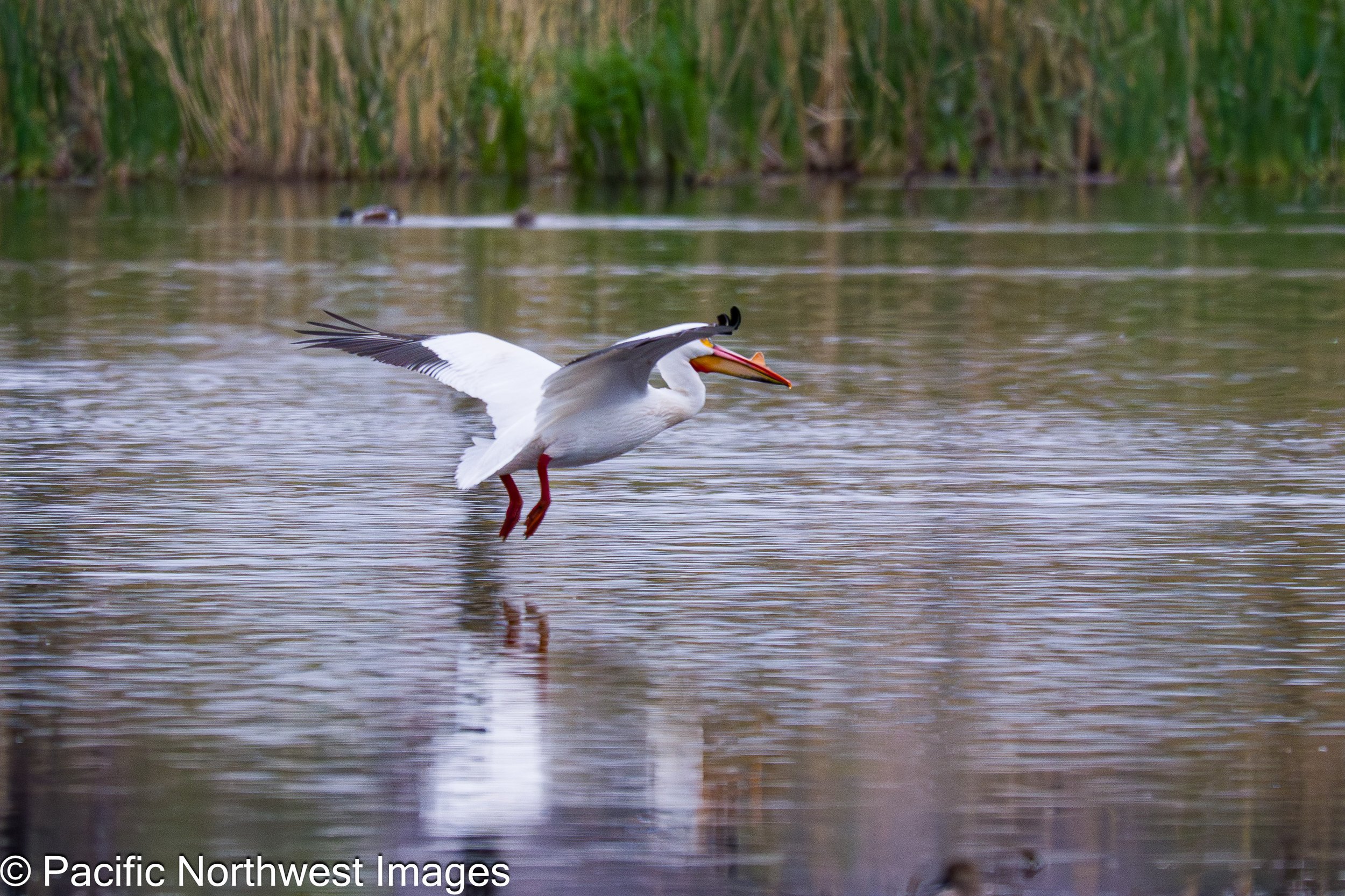
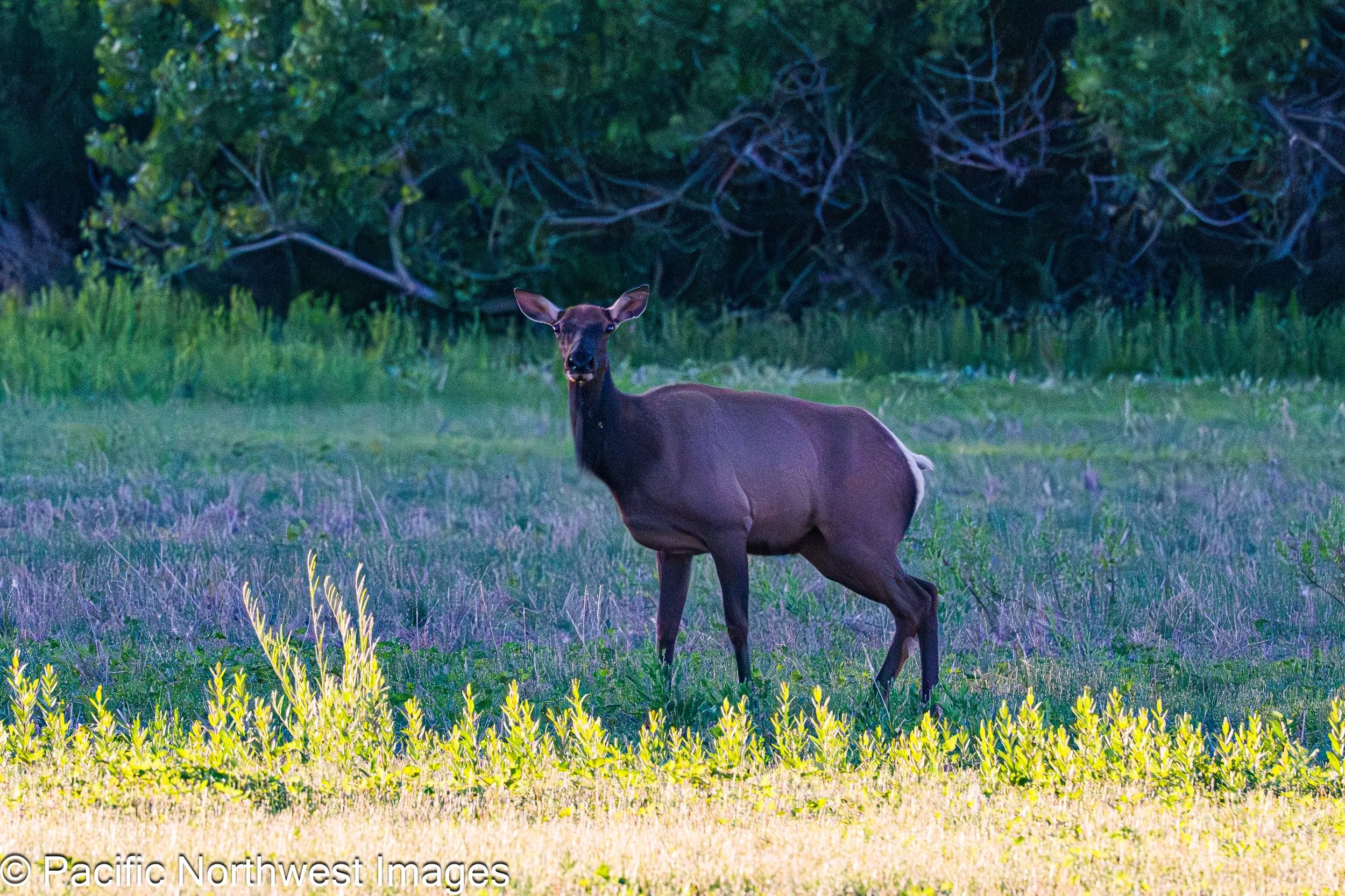
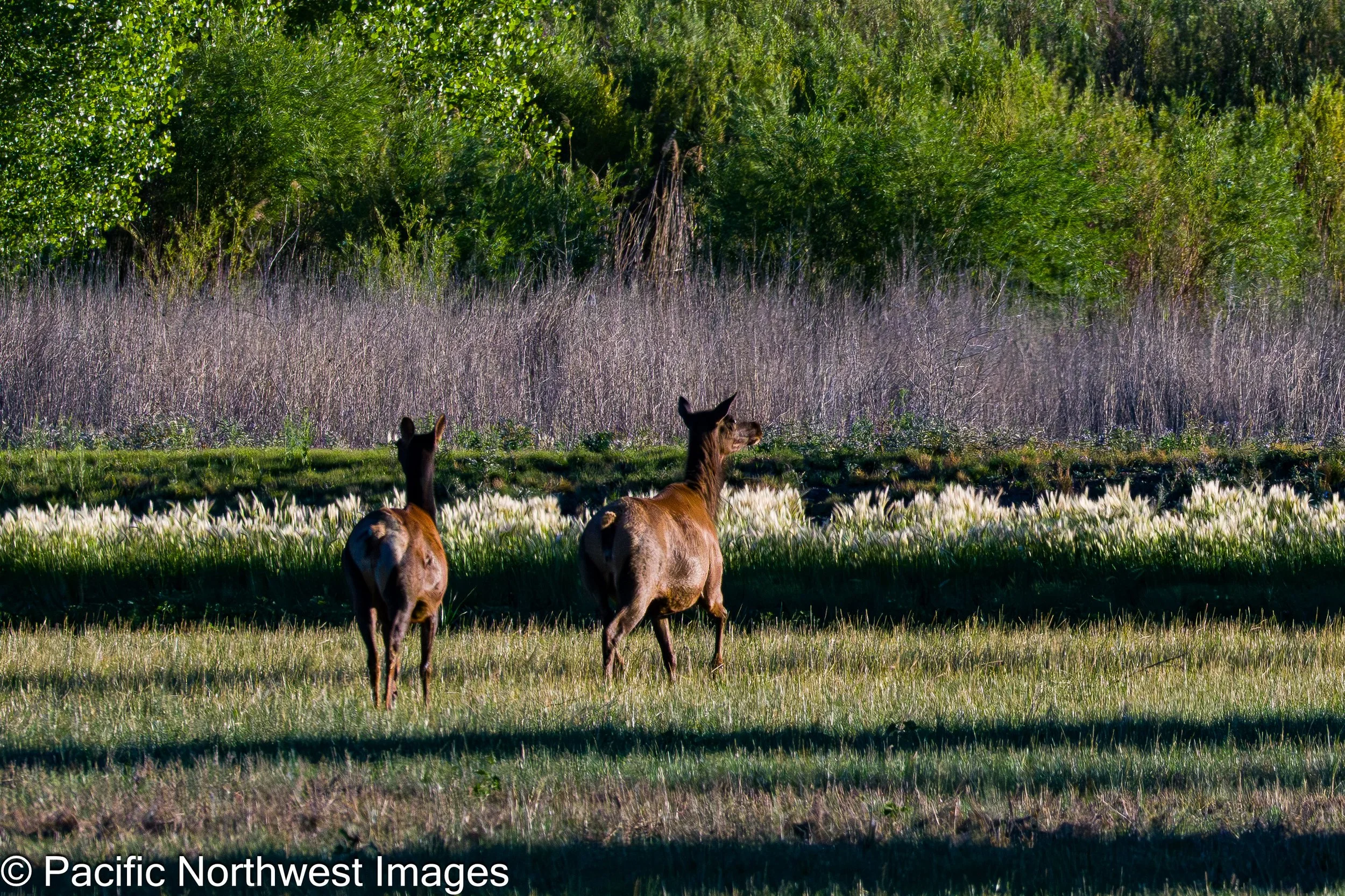
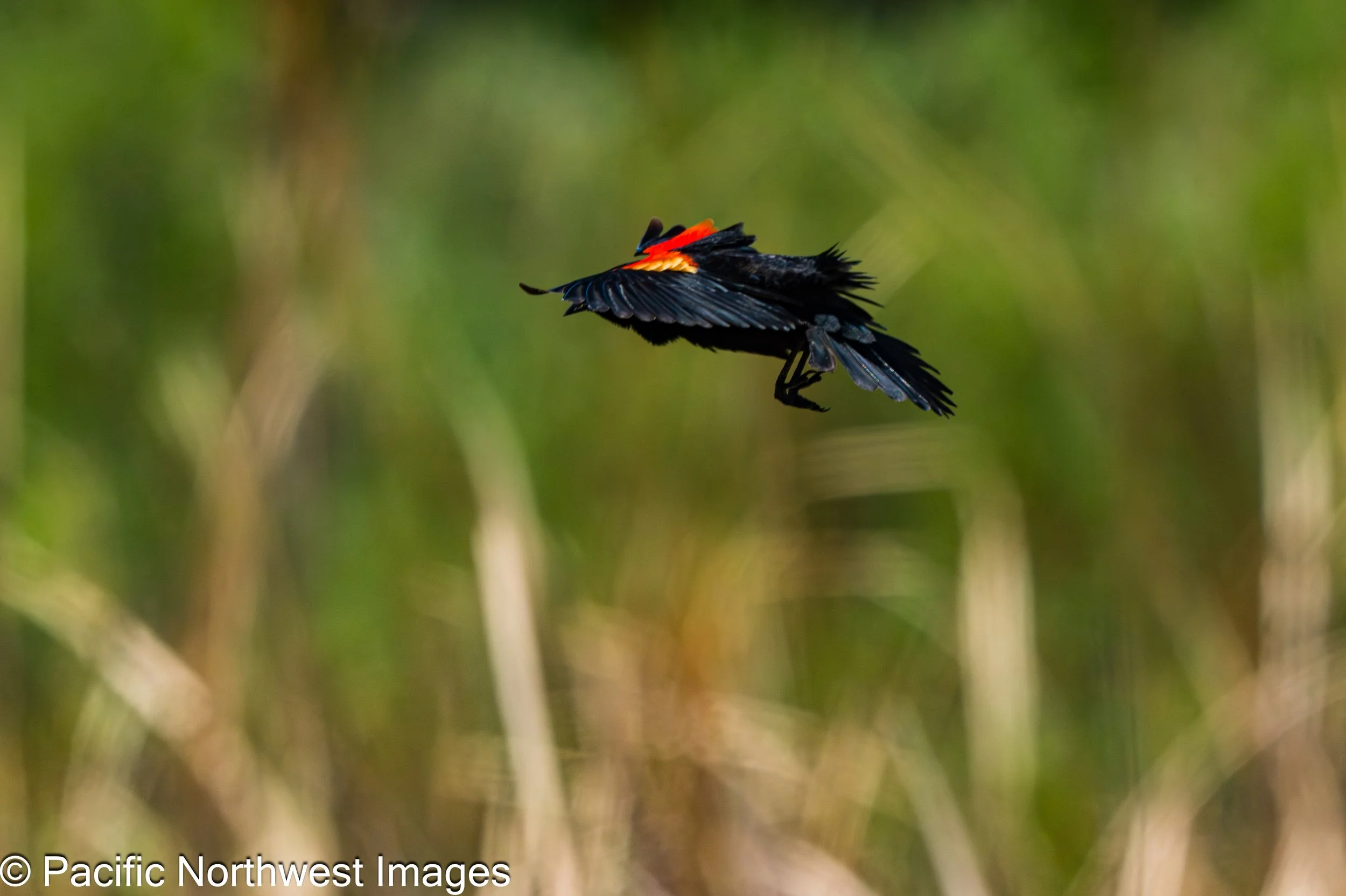
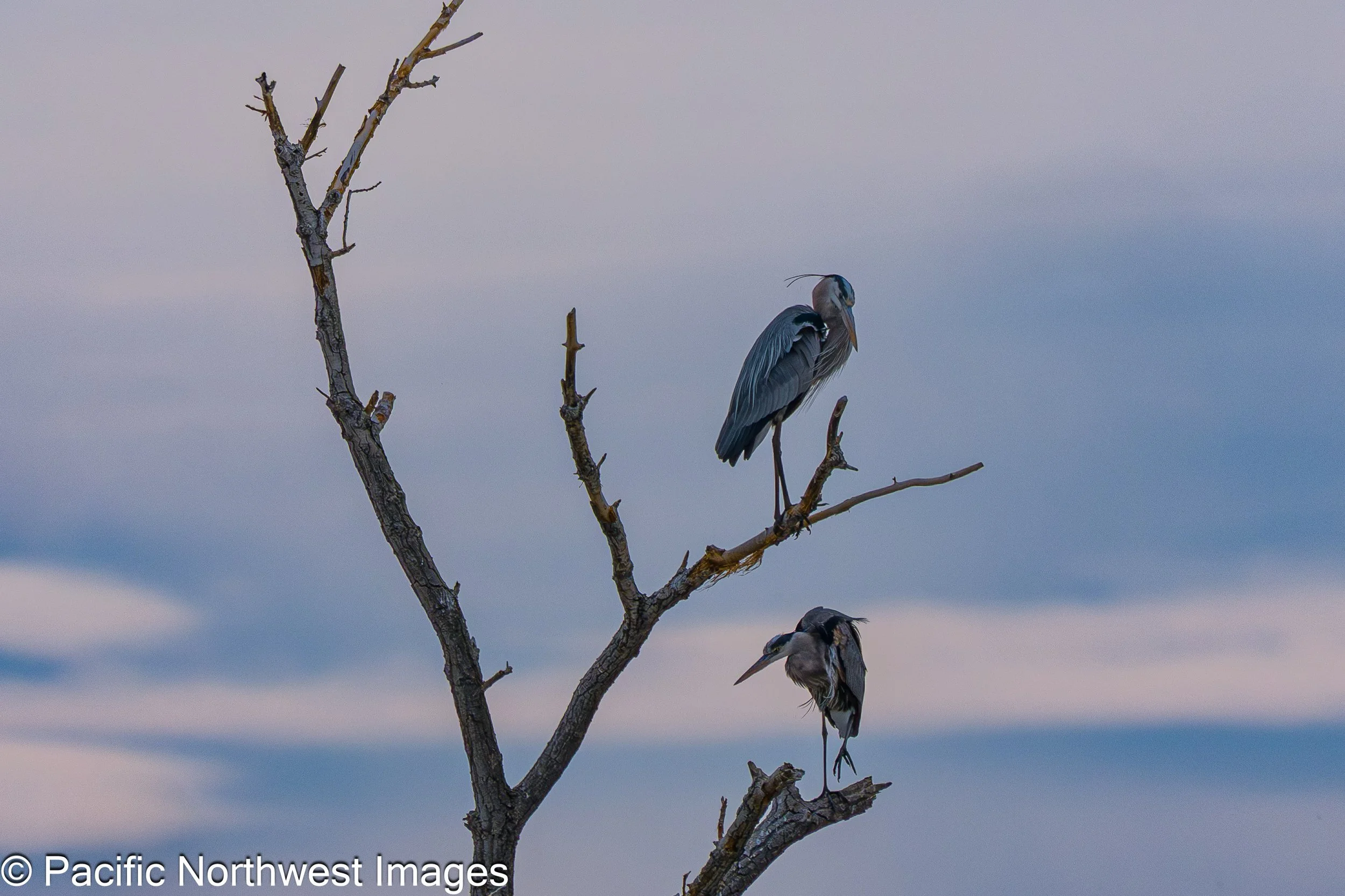
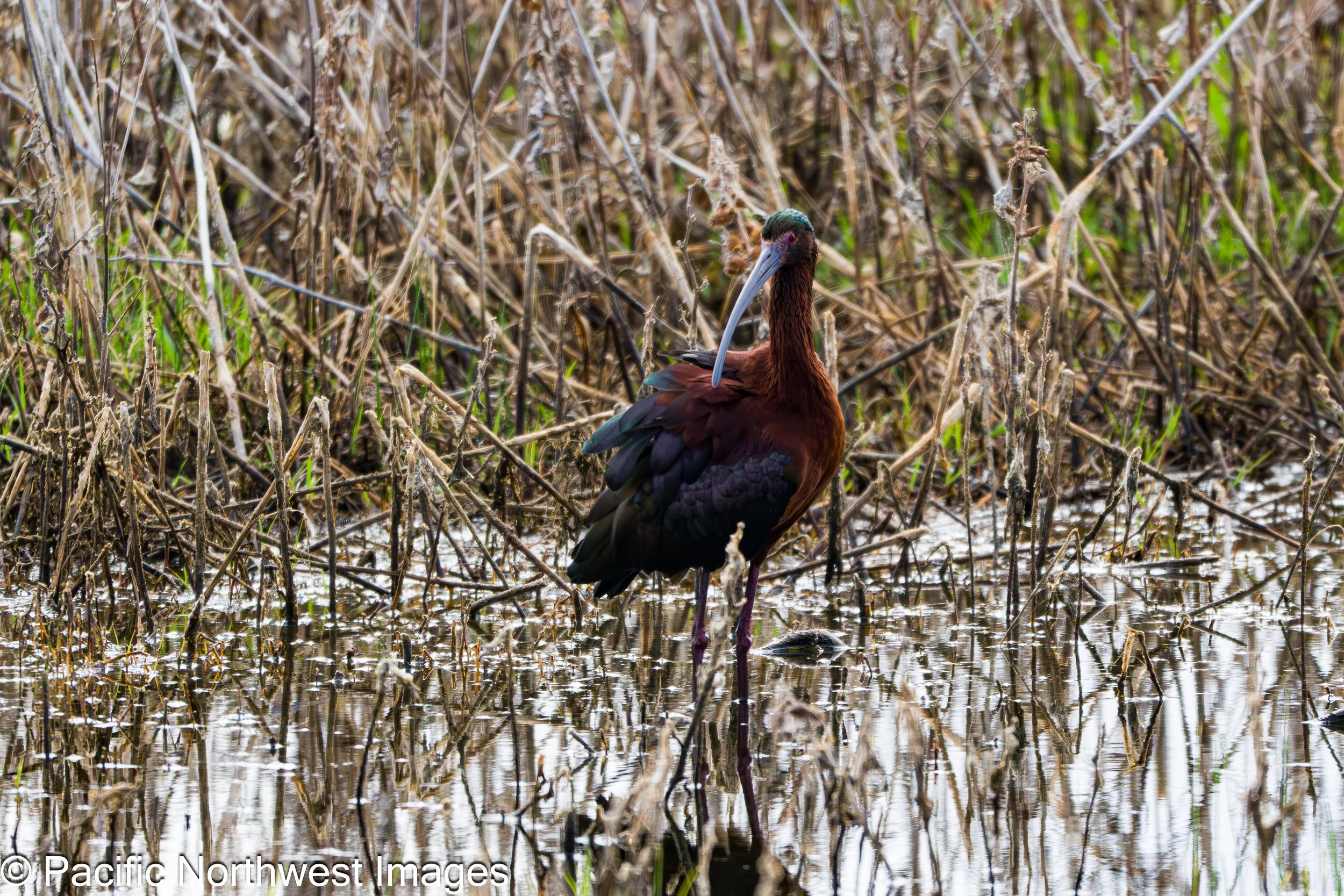
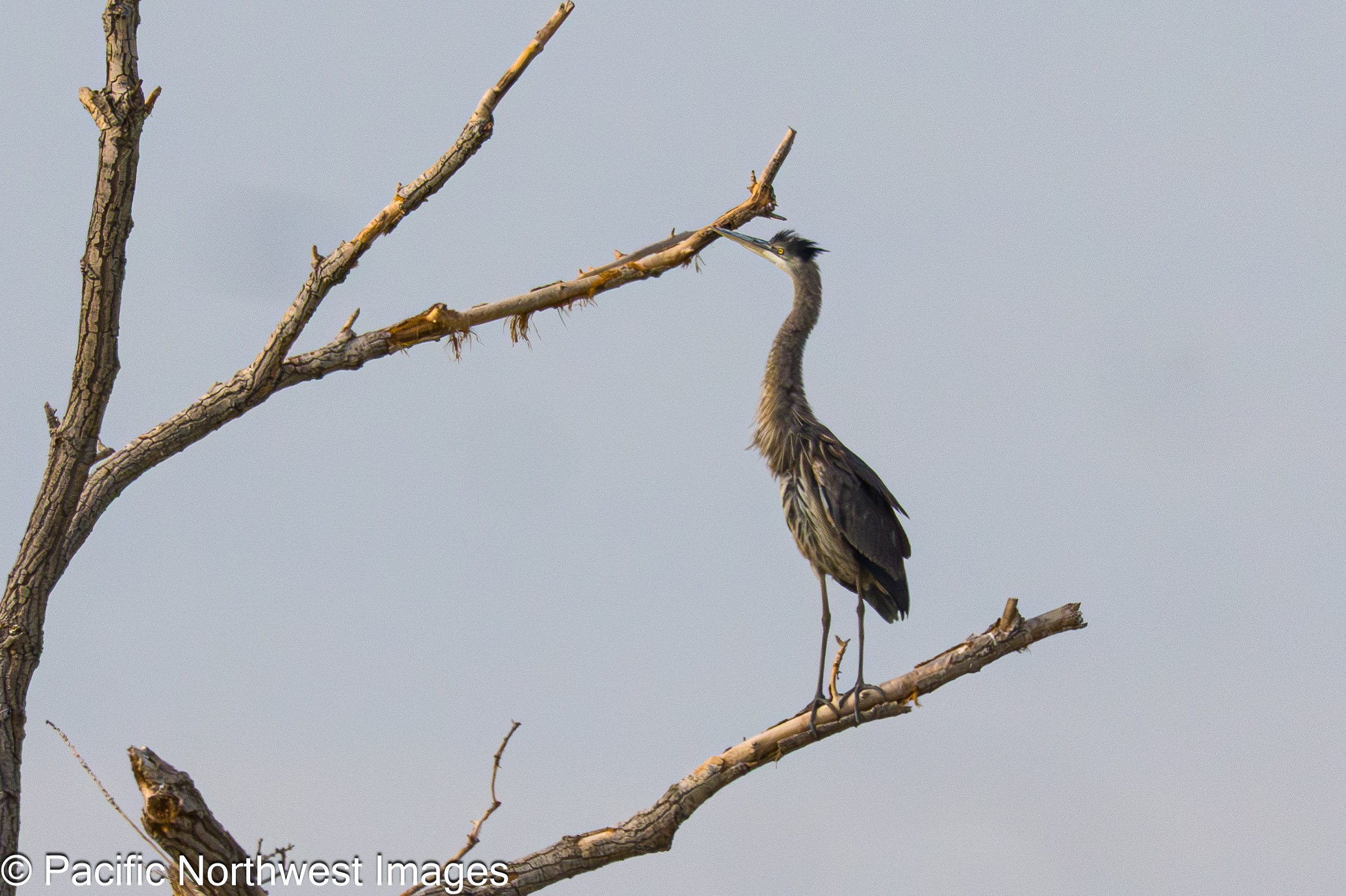
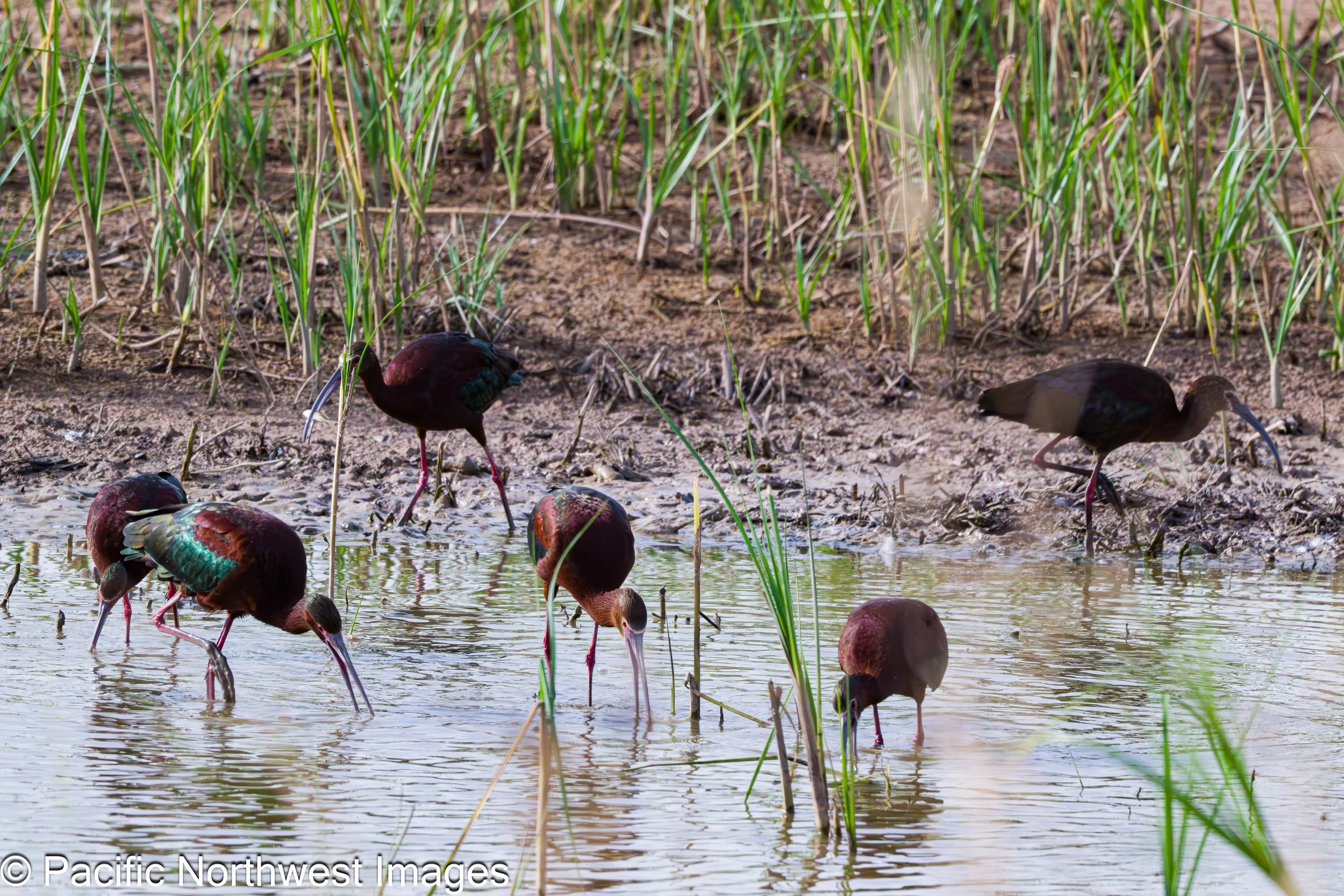
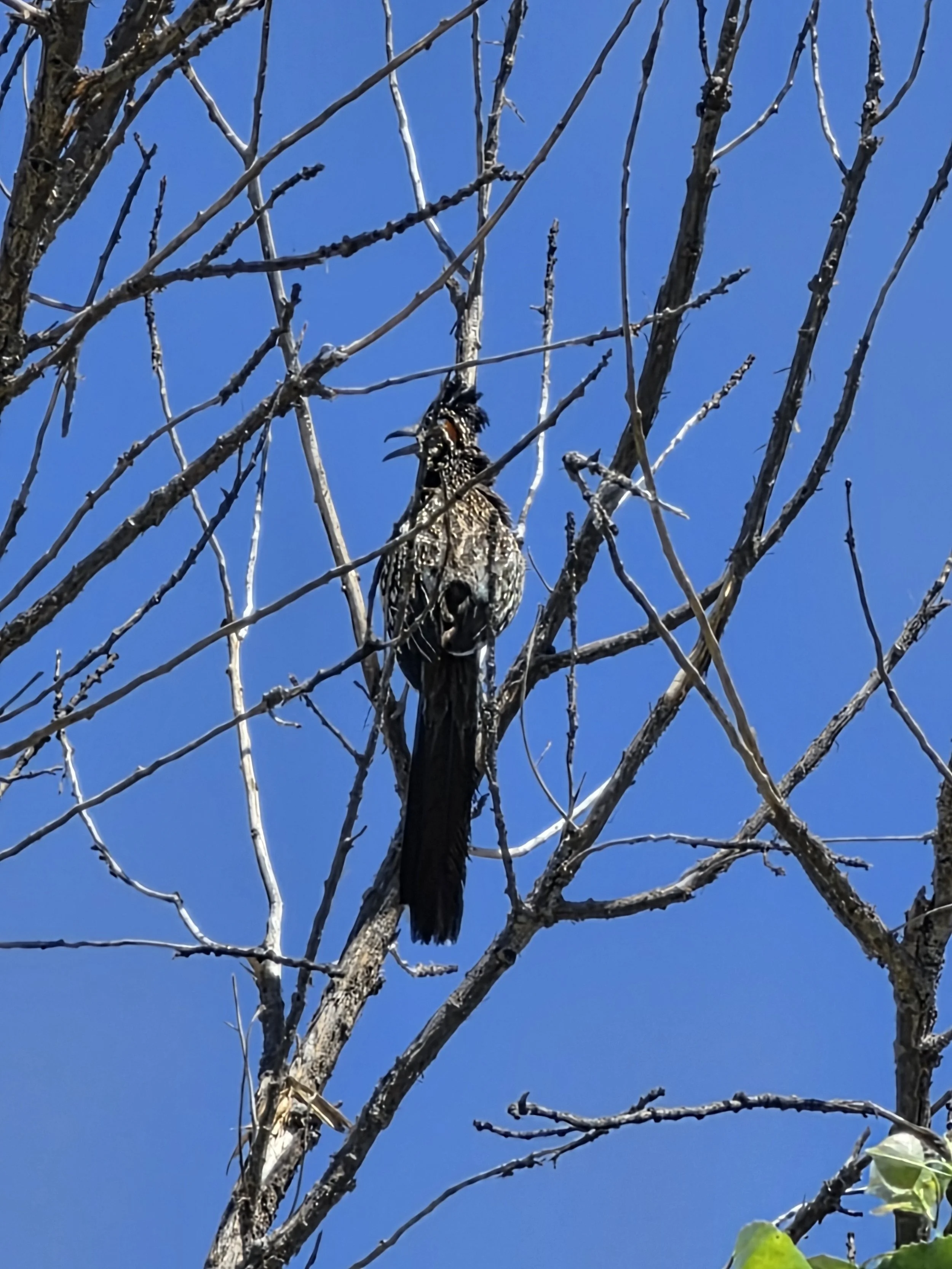
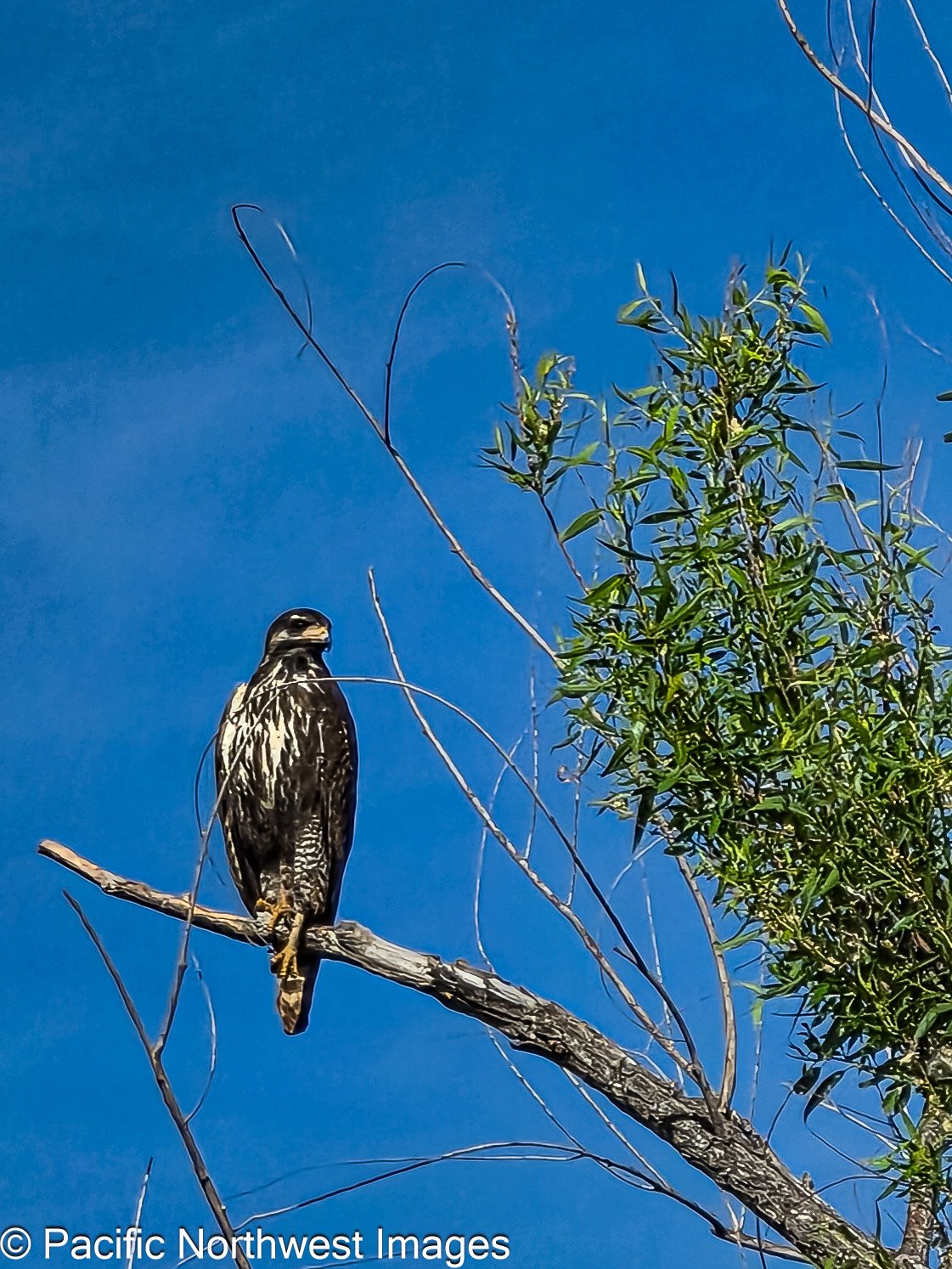
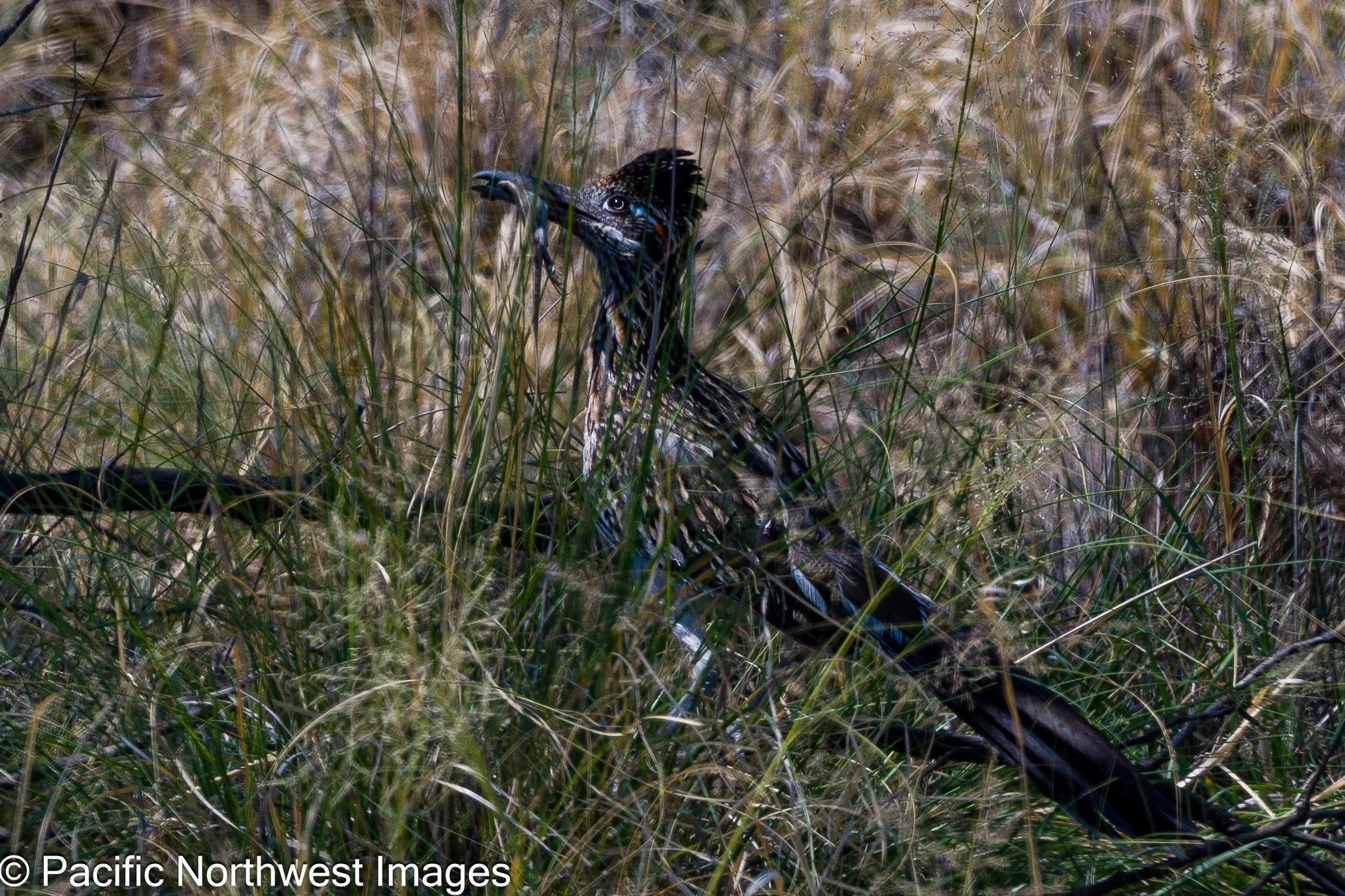
I had wanted to work at the Bosque for a long time, but schedules never lined up. So when an opportunity arose thanks to a friend from Oregon who had worked here, along with the lead ranger at Bosque, I jumped at it. Arriving on April 1, I had missed the cranes, but there were still plenty of birds to see. I was delighted to spot many familiar bird friends from the Oregon coast, along with a variety of large and small raptors and an impressive mix of ducks. While I know seabirds well and shorebirds a bit, a big part of my motivation for coming here was to improve my birding skills. Thanks to the amazing staff and volunteers, I’ve greatly expanded and diversified those skills. One of the most incredible things about Bosque is how it’s always changing. When I arrived, large sections of the refuge were covered with shallow water, creating habitat for shorebirds and waterfowl. The northern Flight Deck and southern Boardwalk offered an endless variety of birds that never failed to amaze me. Different times of day brought different birds and behaviors, and there was always somewhere to send visitors to see them. As spring came, migratory songbirds like Chats, Flycatchers, Gnatcatchers, and Tanagers began arriving while many shorebirds and waterfowl moved on. With summer’s heat (100+ degree days) approaching, the water is drained to allow grasses, plants, and food for winter migrators to grow. In the fall, the areas will be reflooded to restore habitat. Even now, there’s plenty of wildlife—you just have to look a little harder. Recently I’ve seen a White-Tailed Kite, a Ring-Necked Pheasant, several hawks, Mississippi Rails, and more songbirds than you can imagine. Other wildlife sightings include Mule Deer, Elk (one almost too close while in the refuge truck), Coyotes, Bobcats, Black Bear scat, and more lizards than I could count.
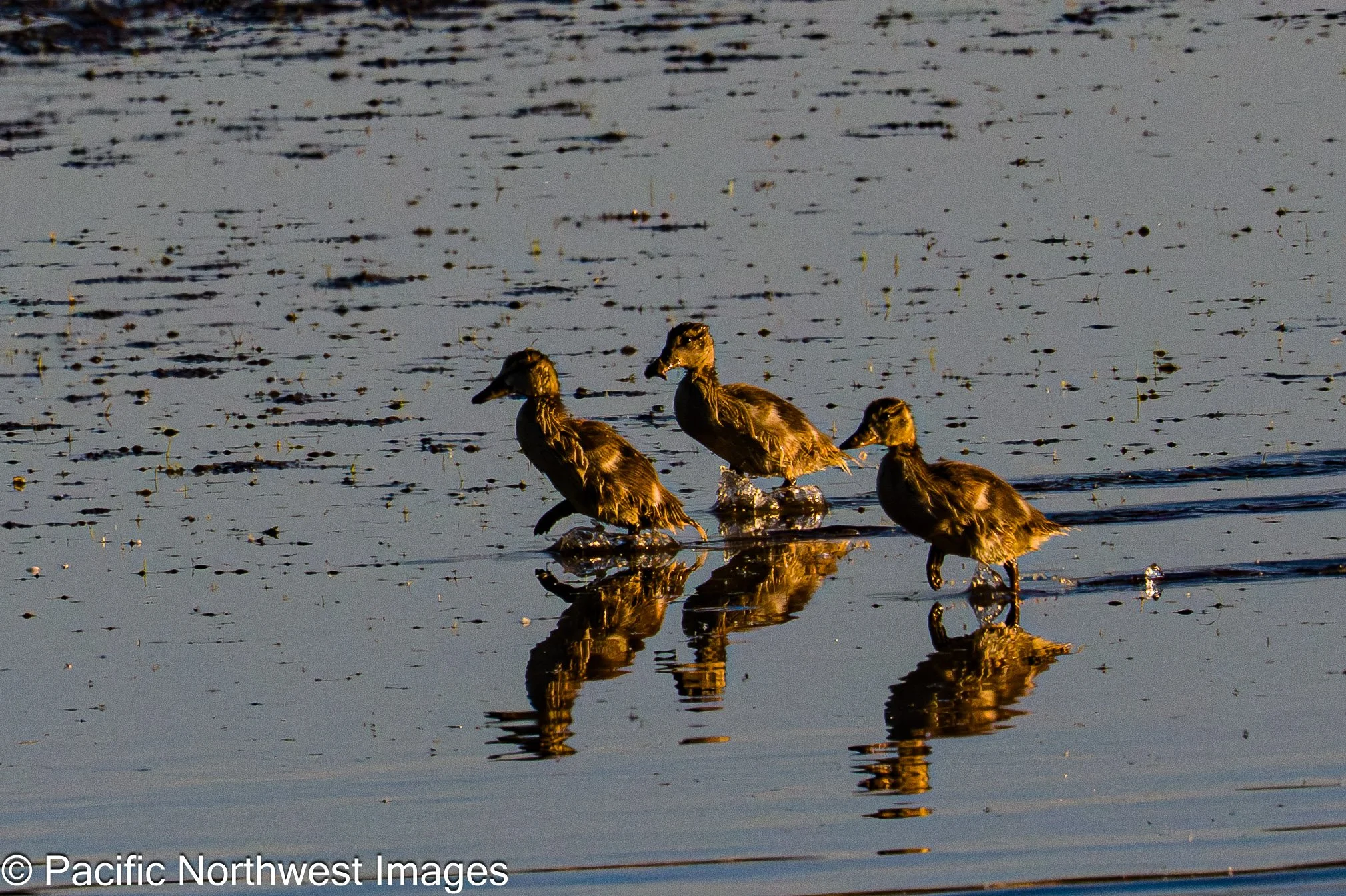
Ducklings making their escape!
It’s not all work here. The refuge is right in the middle of the state, making it an easy drive to incredible spots like the Gila Cliff Dwellings, the Catwalk in the Gila, the Grand Salinas Pueblo National Monument with its amazing excavations, Bandelier National Monument, White Sands, and Carlsbad Caverns, just to name a few. Having grown up about 80 miles away in Ruidoso, I’ve had the chance to rediscover many of these places from my youth.
We also share plenty of laughter and excitement. Our visitors generally fall into two groups: the hard-core birders who know exactly what they’re after and are chasing those elusive “life list” birds, and the folks who simply walk in and ask, “Where are the birds?” We interact with each group differently, but our goal is always the same—to ensure they have a fantastic time, experience the magic of the wildlife, and leave with a growing desire to help preserve it all.
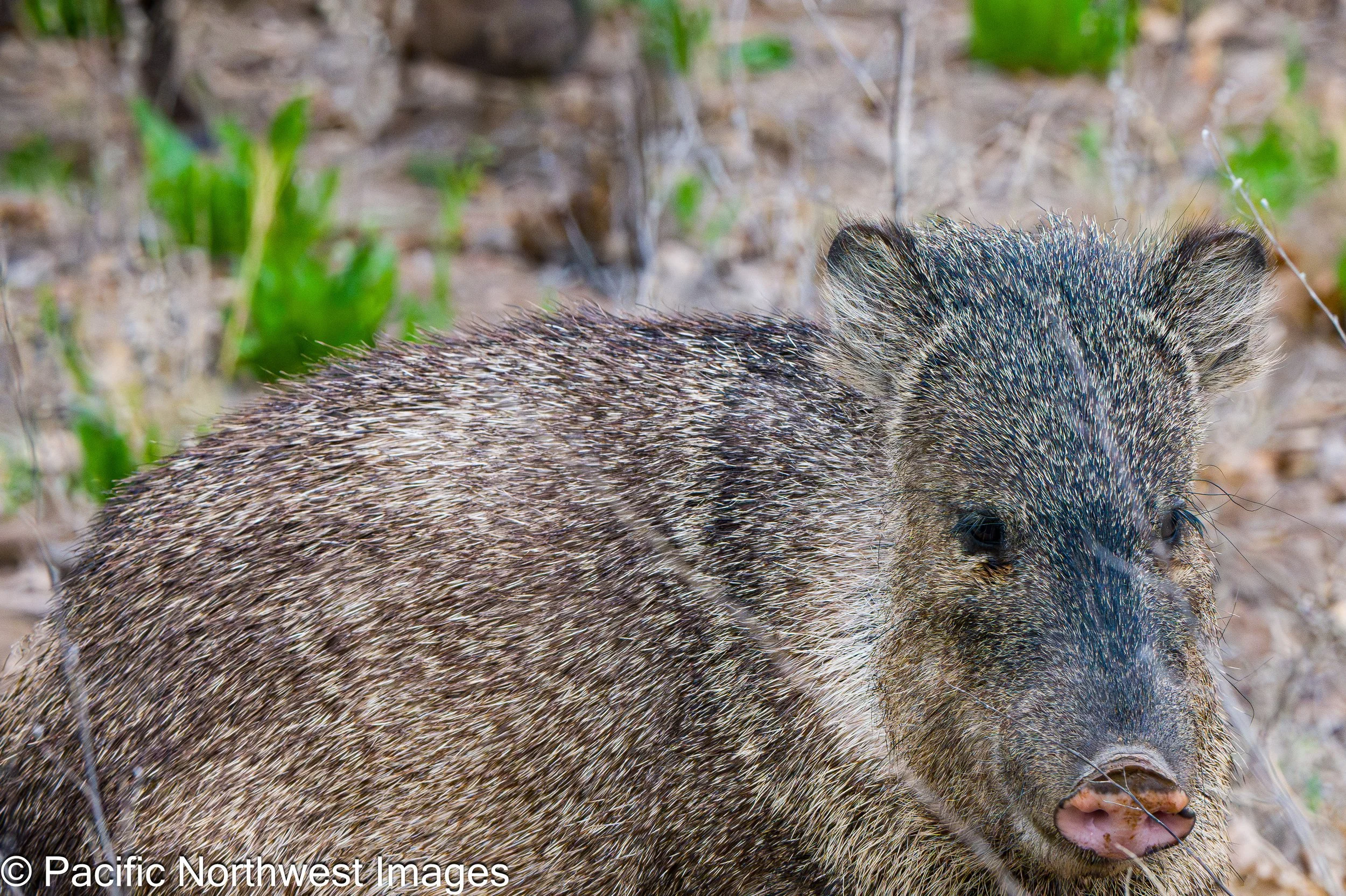
Our staff often has direct encounters with wildlife. My first was spotting someone birding down the road with what I thought were two off-leash dogs—only to find it was one of our rangers with two javelinas (collared peccaries) trotting around him. Another time, a ranger finished cleaning the bathrooms, opened the door, and found a large rattlesnake blocking her way. She grabbed the snake tongs and bucket and relocated one very unhappy reptile. My own close call came shortly after, when I lifted a garbage can to change the bag and saw movement underneath. Convinced it was a rattlesnake, I leapt backward five feet from a standstill—only to discover two enormous, agitated lizards. I quietly set the can back and left them to it.
One of our rangers’ “pets”!
Javelina (Collared Peccary)
This is an incredible place, full of passionate people, and well worth a visit if you’re in the area. I’ll be leaving next week for Oregon (hoping for highs in the 60s), but I’ll miss my time here until I return.
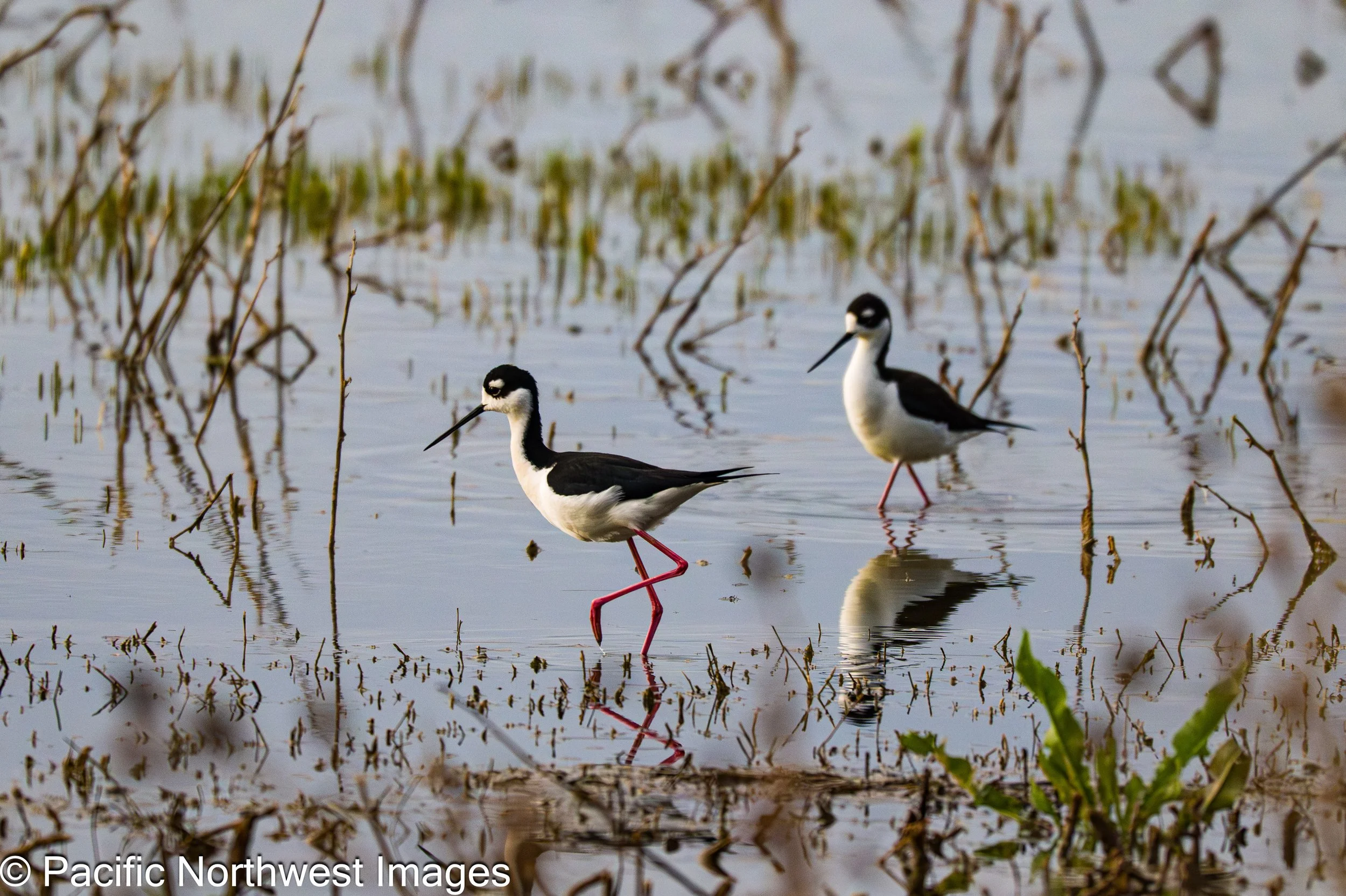
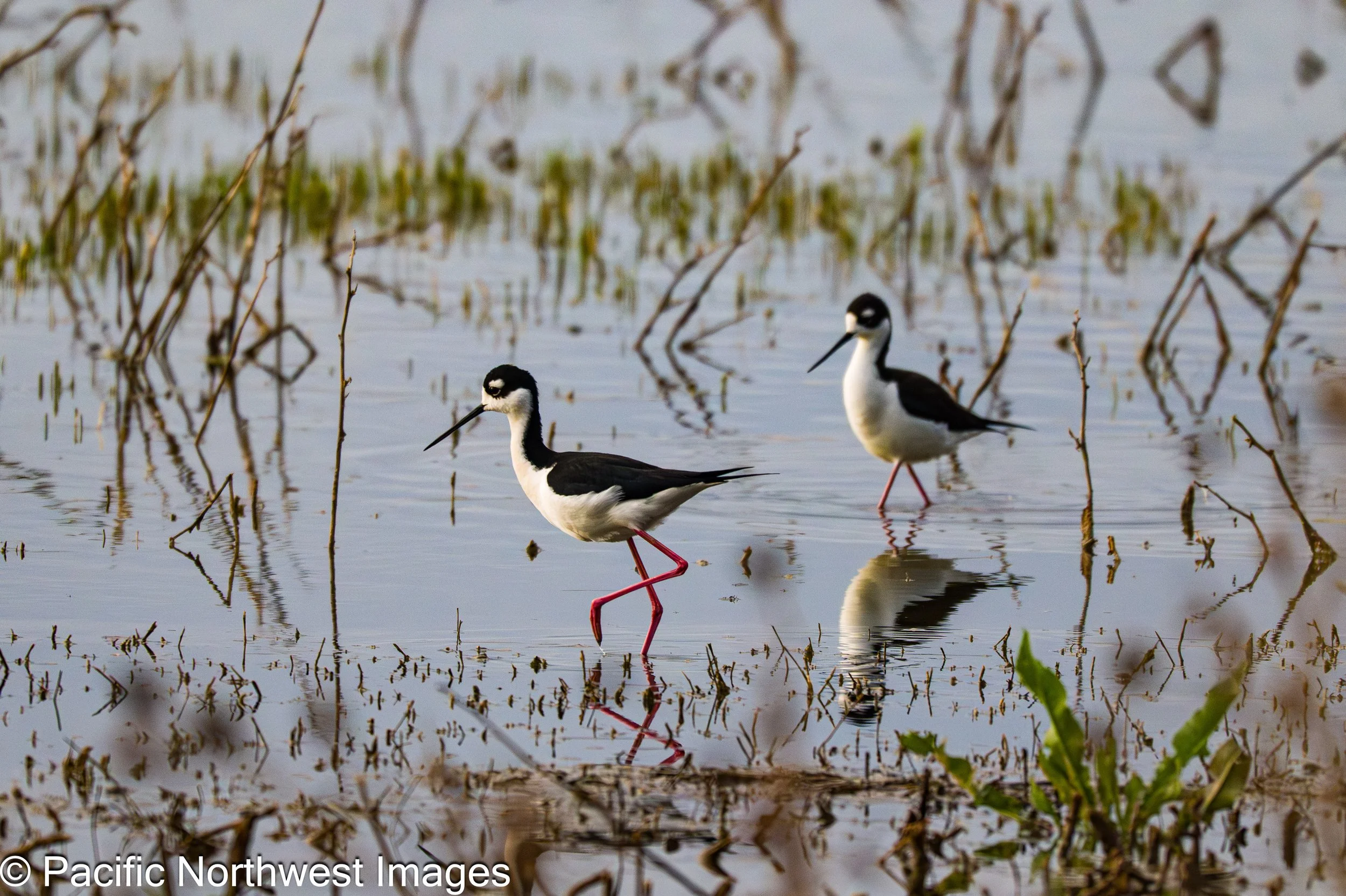
Black Necked Stilts cruising for breakfast
Next stop is Yaquina Head Outstanding Natural Area in Newport, Oregon—trading the refuge for a lighthouse, tidepools, marine mammals (including plenty of seal pups), and seabirds. It’ll be my third visit to Yaquina, and I can’t wait. Stay tuned…